
RESEARCH & NOTES
A Short Guide On The Ray Dalio Teamwork Principles

Explorations > Teamwork > the dalio teamwork principles
Ray Dalio's personal document containing his "Principles" for work and life was a bit of a running joke in the investment community—even though his rivals read every page in order to understand how Dalio was so successful. Nobody thinks of Principles as funny anymore, now that it's become a mega-bestselling book, though.
Among the hundreds of principles and ideas in the book, Dalio spells out some specifics around how he likes to run his team at his hedge fund, Bridgewater. Though many of them are well-trod ideas, some are contrarian, and all of them are useful to anyone trying to understand teamwork.
The Dalio teamwork principles in a nutshell
super simple summary:
To get to the top, teams need good people, trust, truth, adaptability, and to keep ego in check.
Detailed explanation:
In Dalio’s Principles, before you can get to building your “Machine,” you need to do two things: Get the Culture Right, and Get the People Right.
Basically, a proper teamwork framework must happen first, then you can do business.
To get ready to for that, Dalio advises the following:
-
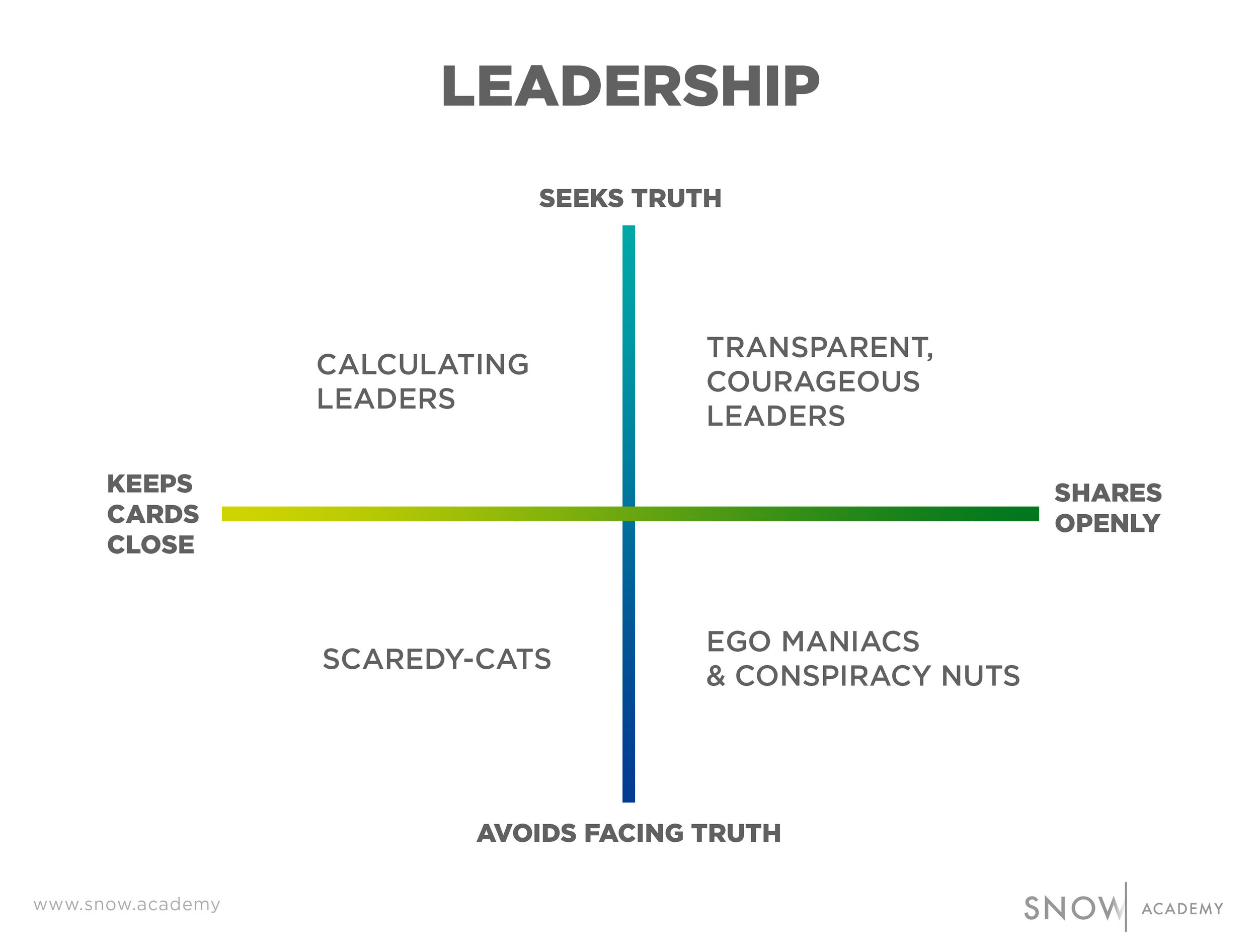
Trust in Radical Truth and Transparency. Understanding what is true is essential for success, so don’t let anyone on the team who might make a decision be in the dark.
-
Cultivate Meaningful Work & Relationships. Team members need to be on board with the team’s success. This means they need to care about the purpose of the team, and care about each other.
-
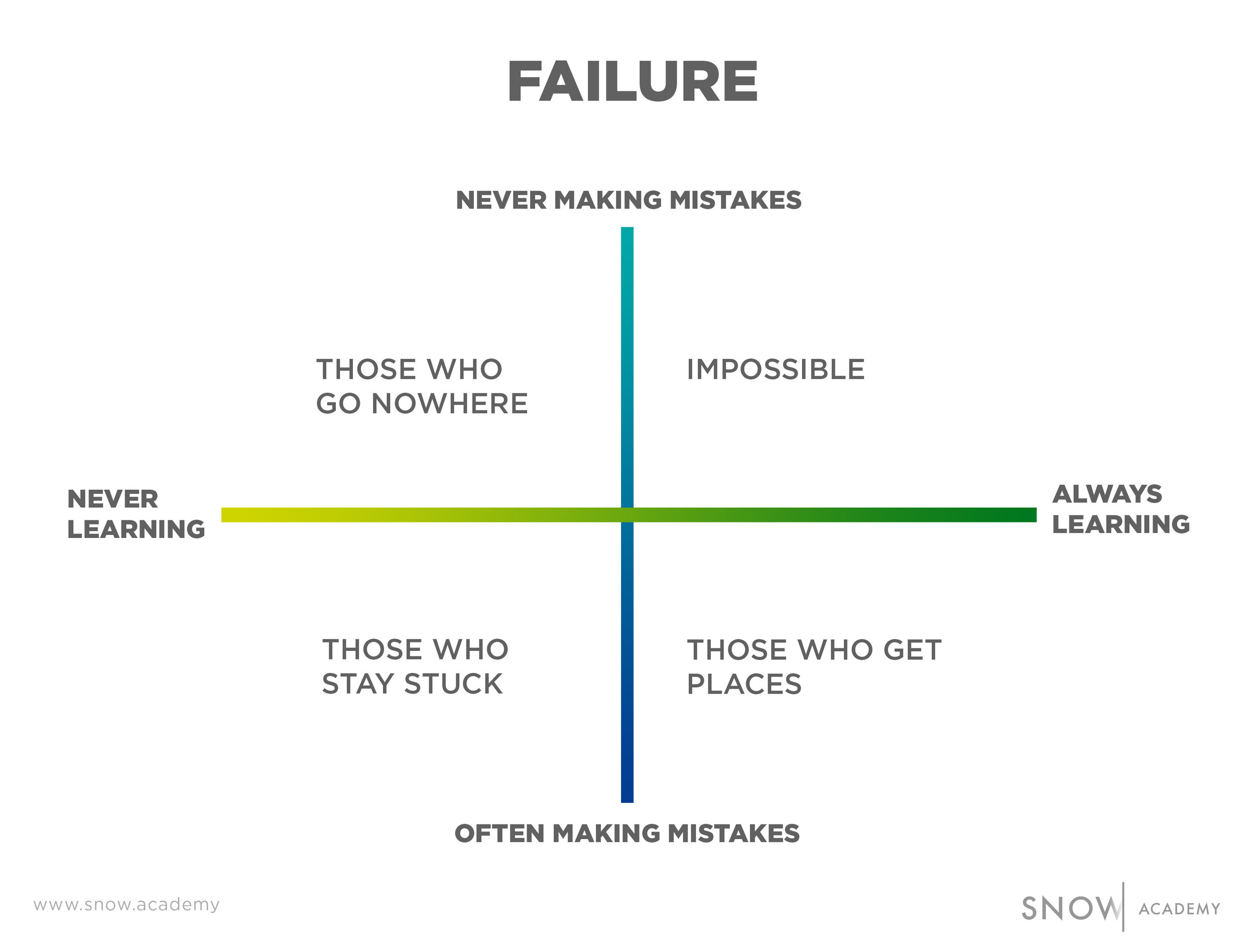
Make it Okay to Make Mistakes, and Unacceptable Not to Learn from Them. The “fail fast” mantra of Silicon Valley doesn’t work unless you learn from failures. In this way, failure isn’t failure at all. But if you don’t make it safe to fail—so long as you learn—your team’s mistakes will be for nothing.
-
Get and Stay in Sync. This one’s in line with the Radical Truth and Transparency principle; it says that people need to have the same goals and be heading in the same direction if they want to be a good team.
-
Make Decisions Based On Believability. Don’t make decisions based on a vote, and don’t make them based on who’s the boss. Good decisions must stand on their own, based on logic, evidence, and expertise. It doesn’t matter who comes up with the idea, if the idea’s wrong, it’s wrong. If it’s right, it’s right. (This is a way of making the case for cognitive diversity and productive conflict.)
-
Recognize How To Get Beyond Disagreements. Know the difference between debating and complaining. And when a decision has been made, put the team first by getting behind that decision. It’s often worse to undermine the team by continuing to argue than to pursue a slightly sub-optimal path.
-
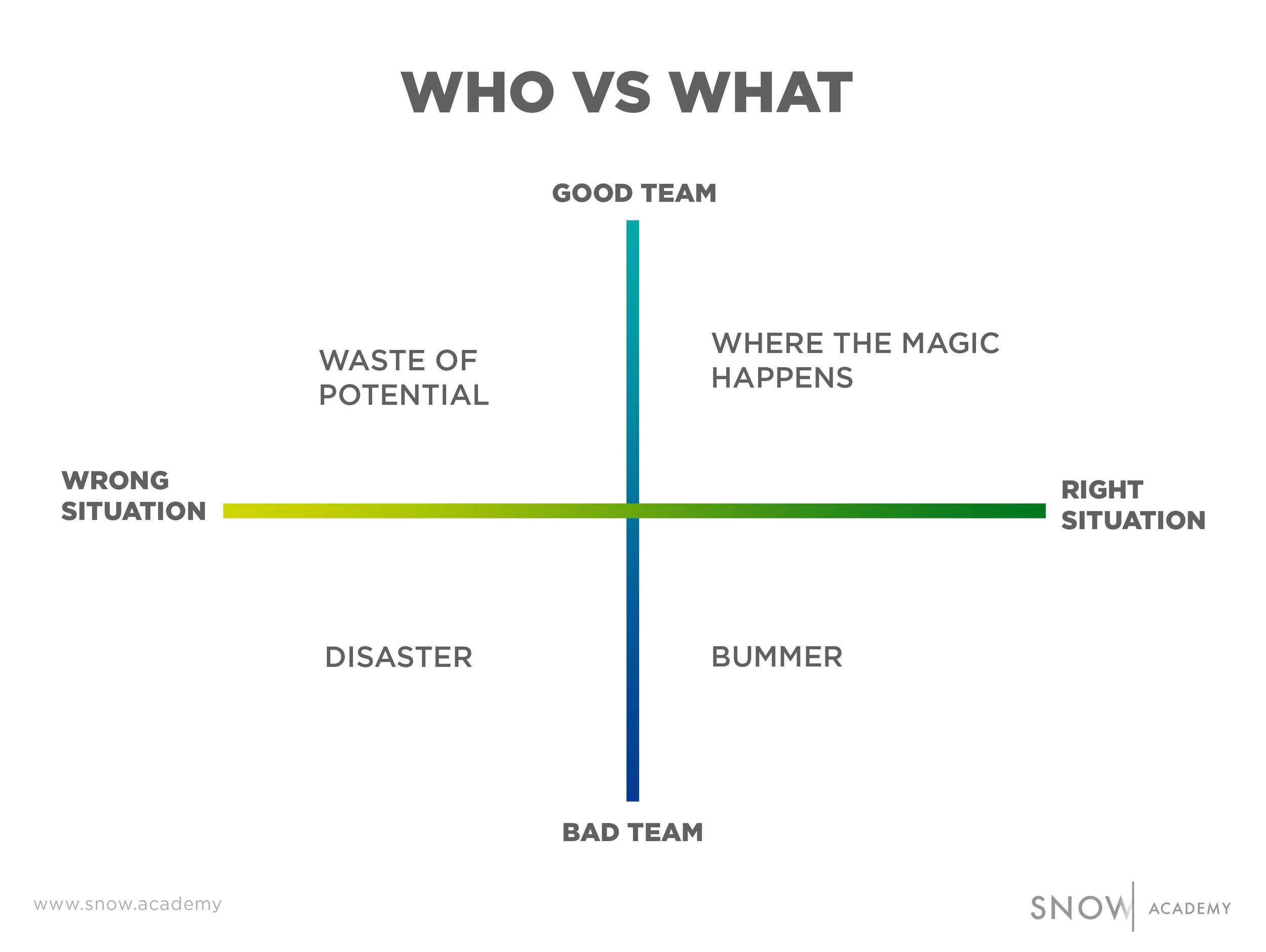
Getting the Right People Is The Most Important Part of Teamwork. The penalties for having the wrong people on a team are high.
-
Constantly Train, Test, Evaluate, and Sort People. Teams should not stay stagnant—either in skills or in makeup. People need to grow and develop for a company to grow and develop. And mixing things up often is needed to stay innovative.
How To Use These Principles
Though they aren’t a framework, the Dalio principles on teamwork are excellent as bits of guiding wisdom—for whatever framework you are using. You can, however, turn some of them into basic frameworks for reminding yourself of their importance, like so:



For more on maximizing your teamwork productivity: Check out the Snow Academy course on The Skills of Dream Teams!



![Universal Principles For Better Teamwork [Infography]](https://cdn.prod.website-files.com/6977cdf91b227f93236c1cf7/69a8dd4a21fe9822a5e5f968_sebastien-bonneval-1AEx2Voy8cI-unsplash.jpeg)